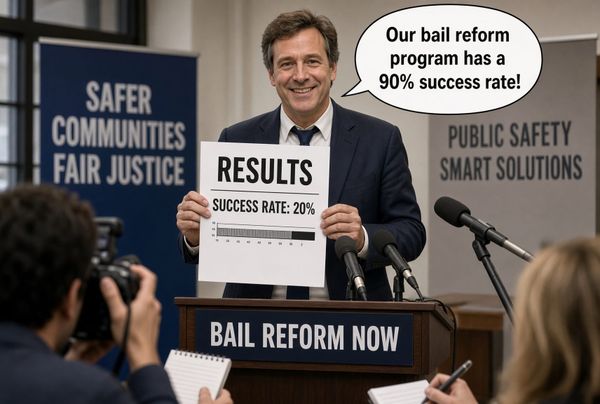
Financially Secured Release is not a Punishment...It is a Guarantee of Accountability
Is it just me or does every article on the subject of bail reform keep making the same basic mistake. They always talk about bail as if it were some type of unattainable price tag for a person’s liberty and freedom.
Is it just me or does every article on the subject of bail reform keep making the same basic mistake. They always talk about bail as if it were some type of unattainable price tag for a person’s liberty and freedom. Simply pay and you walk free. If you can’t pay, then you just sit in a cage. The problem with this type of thinking is that it is both dishonest and misleading. In a recent article by Oklahoma Watch titled “The Price of Freedom: Oklahoma Bail Schedules Vary Widely, Penalizing the Poorest.” The author perpetuates this false narrative. The author distills the entire concept of financially secured bail down to simply a financial transaction. People can either afford it or not afford it. Anyone that knows the truth about how the bail system works knows that it is more complex than that.
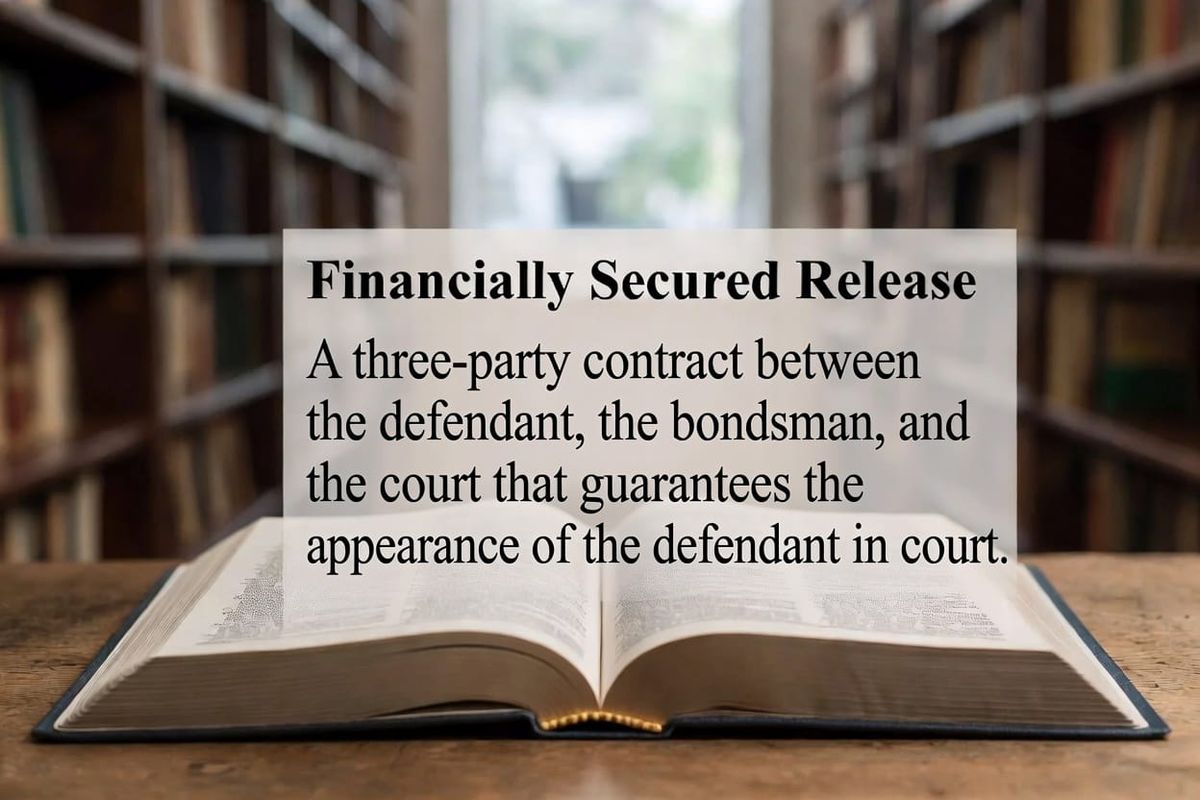
What bail reform advocates and the author of this article get wrong is that bail is not a fine. It is not a punishment. It is not a purchase of liberty. It is simply a financial guarantee. In other words, it is a promise being made by the defendant that they will show up for court. When a judge sets bail, they are not asking themselves what bail amount will keep this person locked up in jail, they are instead focusing on what bail amount will ensure that they show up for all of their court appearances. A financially secured bond, posted through a licensed bail agent, puts real skin in the game. This three-party contract ties the defendant, the family, and the bondsman together with the common task of ensuring all court dates are kept. If the defendant fails to live up to this obligation, someone pays. That incentive is the entire point and what makes secured bail so effective.
When someone remains in jail, it is not simply because they are poor. It is because no one has provided the court with a sufficient guarantee of appearance. That distinction matters. Treating bail as an affordability problem leads to policies that remove the guarantee entirely—zero bail, unsecured releases, or systems that rely on empty promises and random risk scores. Those approaches sound compassionate until the failure-to-appear rates climb and the same people cycle back through the system, sometimes with new charges. The Oklahoma Watch article highlights the hardship of pretrial detention. What it does not grapple with is the cost of a system that no longer requires anyone to stand behind the defendant’s return to court.
Judges already have the authority to consider a defendant’s means when setting bail. The problem is not that the system is blind to poverty. The problem is the growing insistence that the only fair outcome is release without a real financial stake. That point of view treats the action of appearing for court as secondary. It is not. Appearance must be the primary concern. It is the foundation of the entire process. Without it, victims get no justice, cases stall, and accountability dissolves. Bail exists to protect that foundation. Calling it a price for freedom may make for a better headline, but it is not an accurate description of the tool.