California Parole Board Just Became a Tiny Bit Less Crazy
Just when you thought that California was incapable of being logical and sane, they shock the world an do something that falls under the category of common sense.

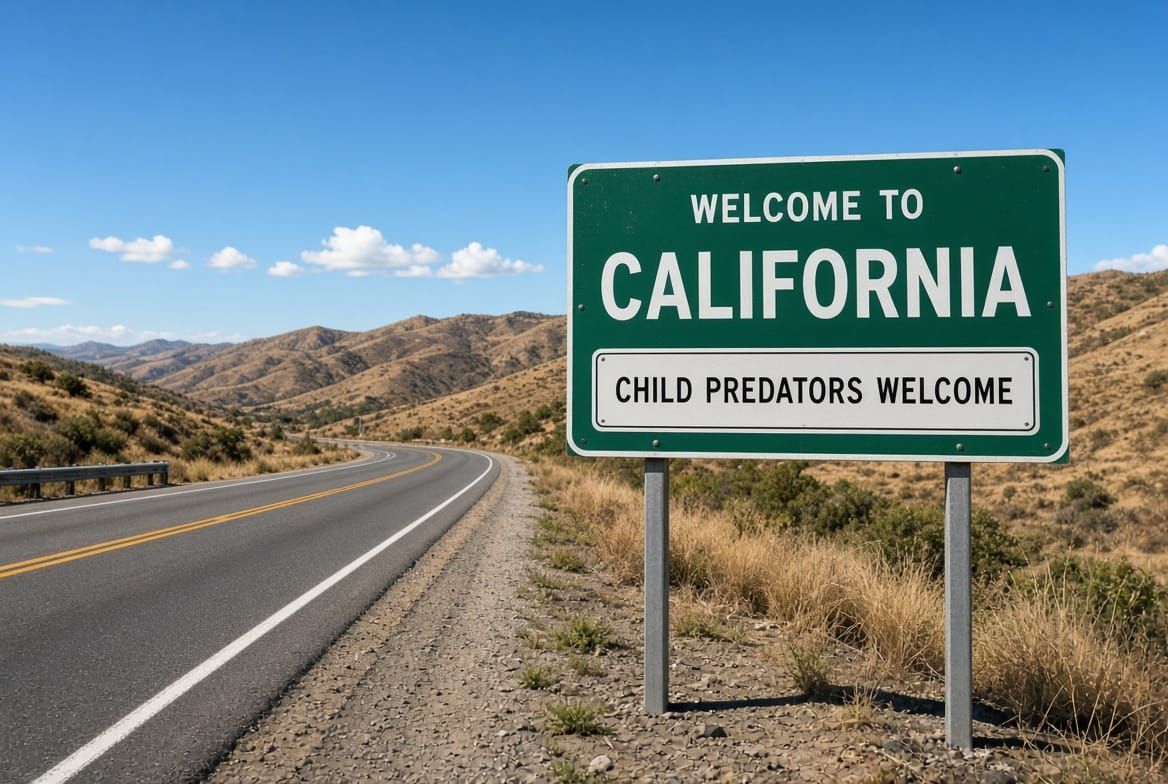
Two Members who Pushed for Child Predators to be Released from Prison Removed From California's Parole Board
Just when you thought that California was incapable of being logical and sane, they shock the world an do something that falls under the category of common sense. This brief moment of sanity occurred earlier this week when two controversial members of California's parole board, who recommended the early release of two convicted child predators, were not re-appointed.
For those of you who haven't been paying attention, California’s parole system is still running on a rule set that treats a serial child rapist as an “elderly” candidate for release. Under the state’s elderly parole program, expanded so that many lifers can get a hearing at 50 after 20 years, commissioners Patricia Cassady and Teal Kozel found David Funston and Gregory Vogelsang suitable for parole. Funston kidnapped and sexually assaulted Sacramento-area children as young as three; Vogelsang was serving 355 years to life for crimes against boys. Funston told the board he was still attracted to children. Gov. Gavin Newsom sent Funston’s grant back for review; the full board reaffirmed it. Both men remain locked up for now, but the grants themselves are the story: a system built to shrink the prison population, not to ask whether a child predator is ever a reasonable bet.
The backlash did not appear out of nowhere. The Criminal Justice Legal Foundation, led by former Sacramento County DA Anne Marie Schubert, and the California District Attorneys Association put the Funston grant in public view. In February 2026 they filed a formal request that the Board of Parole Hearings postpone or rescind the grant under its own regulations, citing the crimes, victim impact, and public safety. Schubert called the decision something that “boggles the mind.” That filing, together with victims and local law enforcement, forced a story Sacramento Democrats would have preferred to keep inside the hearing room. Republicans then used the cases to demand more transparency and to carve sex offenders out of elderly parole.
What followed was Sacramento’s usual workaround. Senate President Pro Tem Monique Limón never brought Cassady and Kozel up for a public confirmation vote. Five less-controversial commissioners sailed through; these two were dropped by omission. Cassady retired; Kozel went back to a staff psychologist job. Reform advocates now warn that commissioners will fear unpopular-but-legal grants. The other reading is simpler: after years of expanding early release, the Senate would not defend on the record two votes that would have put child predators back in the community—and it took outside groups like CJLF to make sure the public even knew the votes had happened.