Oklahoma: Don’t Confuse Broken Hearings with a Mandate to Expand Pretrial Services
Oklahoma lawmakers are currently looking to reform the state’s pretrial system. Recent reporting from The Frontier and KOSU has uncovered a potential issue in Oklahoma County surrounding their first appearance process.
Oklahoma lawmakers are currently looking to reform the state’s pretrial system. Recent reporting from The Frontier and KOSU has uncovered a potential issue in Oklahoma County surrounding their first appearance process. According to the article, some defendants are given barely any time in their initial court appearance. Some last less than 20 seconds long. Due to full dockets and fewer resources, Judges are forced to speed through these hearings, often failing to inquire about a person’s flight risk or personal circumstances. These are key steps required for constitutionally adequate, individualized bail hearings. Previously, Tulsa and Canadian counties, faced similar issues and had civil rights lawsuits filed against them. Sen. Dave Rader, Rep. Nicole Miller, and others are planning interim studies to create a “blueprint” for fairer processes and to head off further litigation. That response is warranted…if it is the true purpose behind their efforts.
The danger arises when the identification of a singular problem expands to a solution of full-fledged reform. This has been a pattern with other jurisdictions that have faced similar issues. A study is completed that focuses on helping the indigent. Pretrial services are created and funded. Once they are up and running, their services expand to other populations. The next thing you know, they don’t just want to address the indigent, they want to handle all pretrial releases including misdemeanors and felonies. We saw this exact thing happen in Harris County, Texas. Activist groups complained that the indigent were languishing away in jail and being mistreated with limited hearings. A lawsuit was filed, and now, not only are indigent released without financially secured release, almost every other category of defendants is too. The results were catastrophic. Harris County’s failure to appear rates skyrocketed to over 80%.
We hope that those looking into this issue are sincere and truly understand the problem the needs to be fixed. Because if the problem is that hearings rushed and non-individualized, the direct solution is obvious and simple: give judges the time, staffing, and procedural structure to conduct proper inquiries. Require meaningful questions about the circumstances, community ties, and risk. Ensure defendants have a real opportunity to be heard. Improve scheduling and courtroom resources so that constitutional minimums are met. These are operational and judicial fixes, not a reason to overhaul the release system itself.
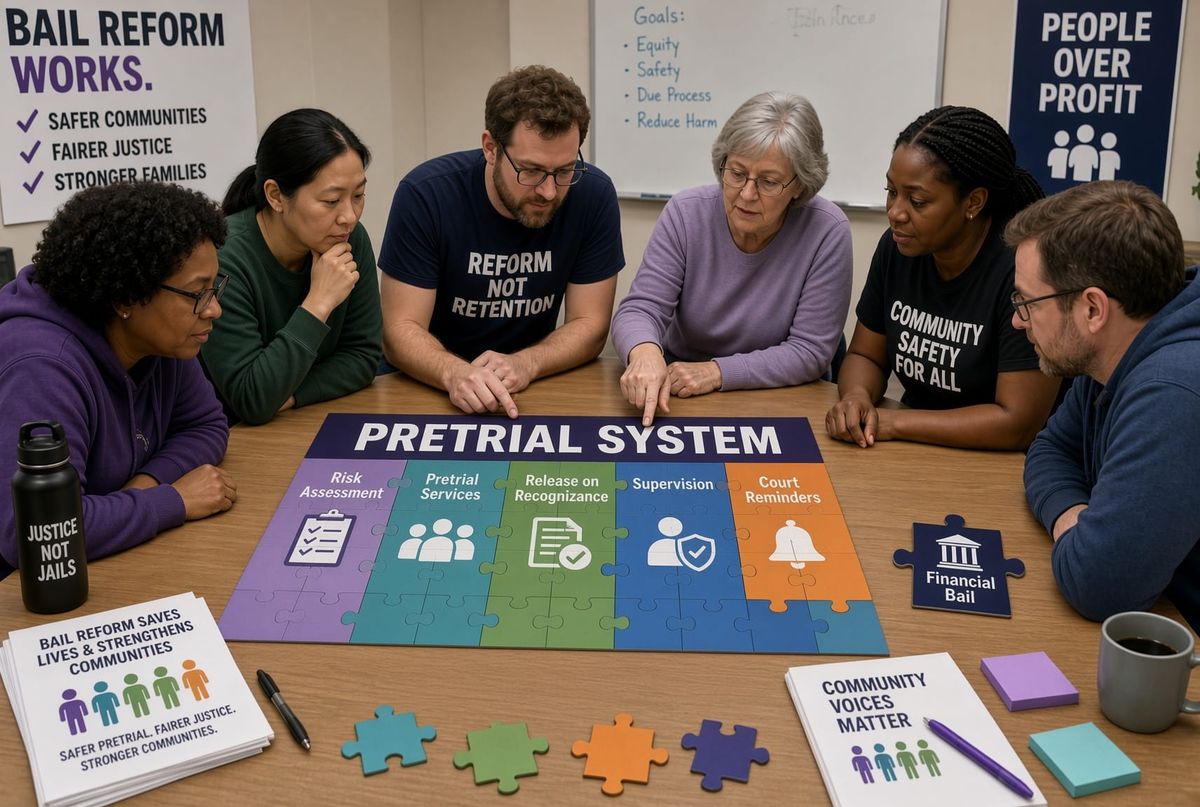
When people are truly indigent, targeted pretrial services can and should play a role. Oklahoma County already has a program operated by the nonprofit TEEM that provides supervision, court reminders, treatment connections, and other support. Those types of programs should be utilized for the singular audience of indigents and people who have special circumstances. And they should be utilized only if they are capable of helping those people. According to reports by TEEM, prosecutors are hesitant to recommend TEEMs programs. Oklahoma officials need to understand why this is and make the appropriate corrections. If TEEM is incapable of meeting the needs of all stakeholders in a way that ensures the integrity of the system, then an alternative needs to be identified. To simply give a program more money without a clear plan and steps for improvement is as good as flushing taxpayer money down the toilet. For example, District Attorney Vicki Behenna has pointed to resource and staffing shortfalls as a reason her office often opposes TEEM releases. That is a legitimate operational issue worth examining — and funding if the program can demonstrate reliable public-safety and appearance outcomes.
What should not happen in Oklahoma is using the hearing deficiencies or indigency concerns as a vehicle to expand pretrial services in a way that systematically displaces or eliminates commercial bail. We have seen this same movie, over and over again across the country. We have seen pretrial services agencies view other competing forms of release like financial surety as an obstacle to be minimized rather than a complementary tool. What they end up advocating for is often broader release on non-financial conditions, with commercial bail treated as a relic. That approach risks trading one set of problems for another.
Commercial bail and properly resourced pretrial services can and should work together. Financially secured release has a documented track record of higher appearance rates because defendants and their sureties have skin in the game and because bail agents actively work to return people who abscond. Pretrial services are better suited for defendants who lack the means to post bond and who need structured support, monitoring, and connections to services. Treating them as mutually exclusive options forces a false choice.
Oklahoma’s interim studies will be most useful if they stay focused on the documented problems: inadequate hearing time and process, true indigency cases that current systems leave behind, and whether TEEM or similar programs have the capacity to supervise the people they are meant to serve. Expanding pretrial infrastructure should be justified by clear evidence of need among those who cannot access financial bail, not by an ideological preference for eliminating surety bonds. Public safety, constitutional rights, and efficient use of taxpayer dollars all suffer when reform conflates process failures with a mandate to replace one release mechanism with another.
The solution is not an either/or. Fix the hearings so they meet constitutional standards. Provide targeted pretrial support for those who genuinely cannot post bail. Preserve commercial bail for the many defendants who can. Pretrial services and bail agents serve different populations and different functions. Oklahoma does not need to expand one at the expense of the other.