The Constitutional Right to Bail...Where Does it Come From
In a recent article from President of the Mississippi Bail Agent's Association, Mike Morrison, the argument is made that the right to bail, protected by the Eighth Amendment’s prohibition on excessive bail
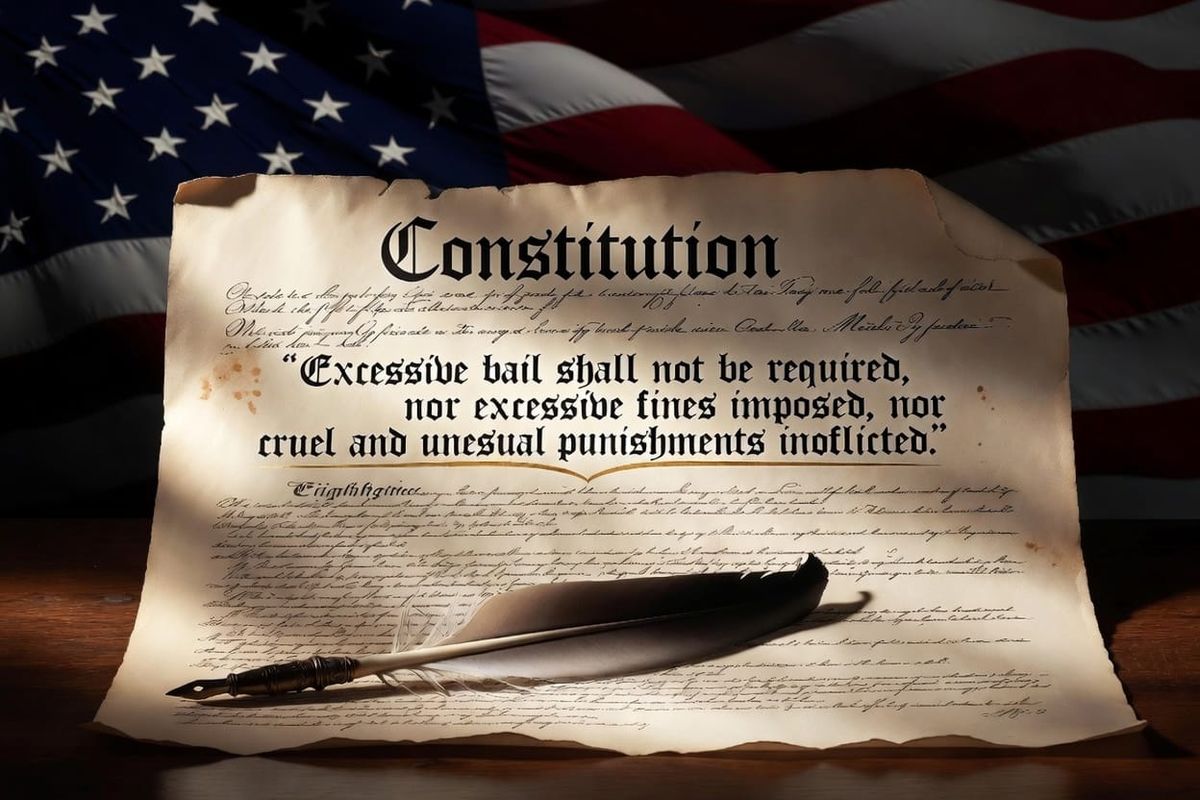
In a recent article from President of the Mississippi Bail Agent's Association, Mike Morrison, the argument is made that the right to bail, protected by the Eighth Amendment’s prohibition on excessive bail, was never intended to expand government power but to restrain it. Drawing on English legal history and landmark Supreme Court cases such as Stack v. Boyle (1951) and United States v. Salerno (1987), the author explains that bail exists to ensure a defendant’s appearance in court while protecting individual liberty before conviction. The piece emphasizes that the Constitution limits government’s ability to use bail as a tool for pretrial punishment or indefinite detention.
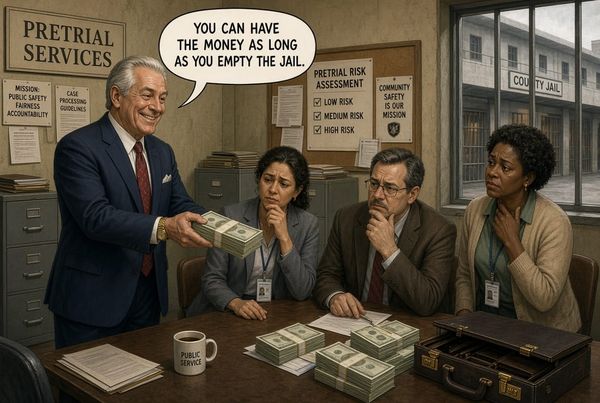
Morrison strongly criticizes the growth of government-operated pretrial release programs, warning that these publicly funded systems allow the same government that makes an arrest to also evaluate, supervise, and control the accused. He contends that replacing traditional bail bonds with government-run supervision risks turning pretrial release into a form of punishment without due process. According to the article, these programs often operate with limited judicial oversight while imposing conditions such as electronic monitoring, drug testing, and curfews on individuals who have not been convicted.
In contrast, the article defends professional surety bonds and commercial bail as a private system of accountability. Because surety bonds are backed by licensed bail agents and indemnitors rather than government agencies, they avoid many of the constitutional concerns associated with state-run pretrial services. The author concludes that the constitutional protections surrounding bail were designed to limit government power, and that expanding government-controlled pretrial release programs undermines the very purpose of the Eighth Amendment and state constitutional bail protections. Below is an excerpt from the article as well as a link to the full article.
Where Does the Right to Bail Come From
Most Americans have heard the words "excessive bail shall not be required," but far fewer have stopped to ask why those words were placed in the Bill of Rights. They were not written to make the criminal justice system more convenient, and they were not written for the benefit of any profession or organization. They were written because history had already demonstrated what happens when government holds the unchecked power to arrest an individual, place that person behind bars and control the terms of release. READ THE FULL ARTICLE HERE>>>