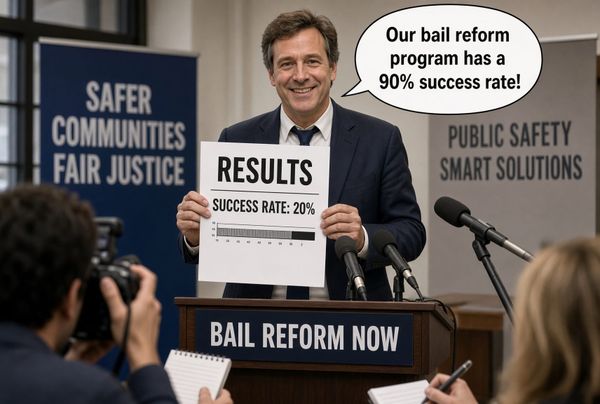
Illinois’ Pretrial Fairness Act (SAFE-T Act) Is Not Delivering the “Fairer and Safer” System It Promised
It praises the elimination of money bail, the new “evidence-based” detention hearings, public defender advocacy, court reporters, and the supposed triumph of due process over “wealth-based detention.”
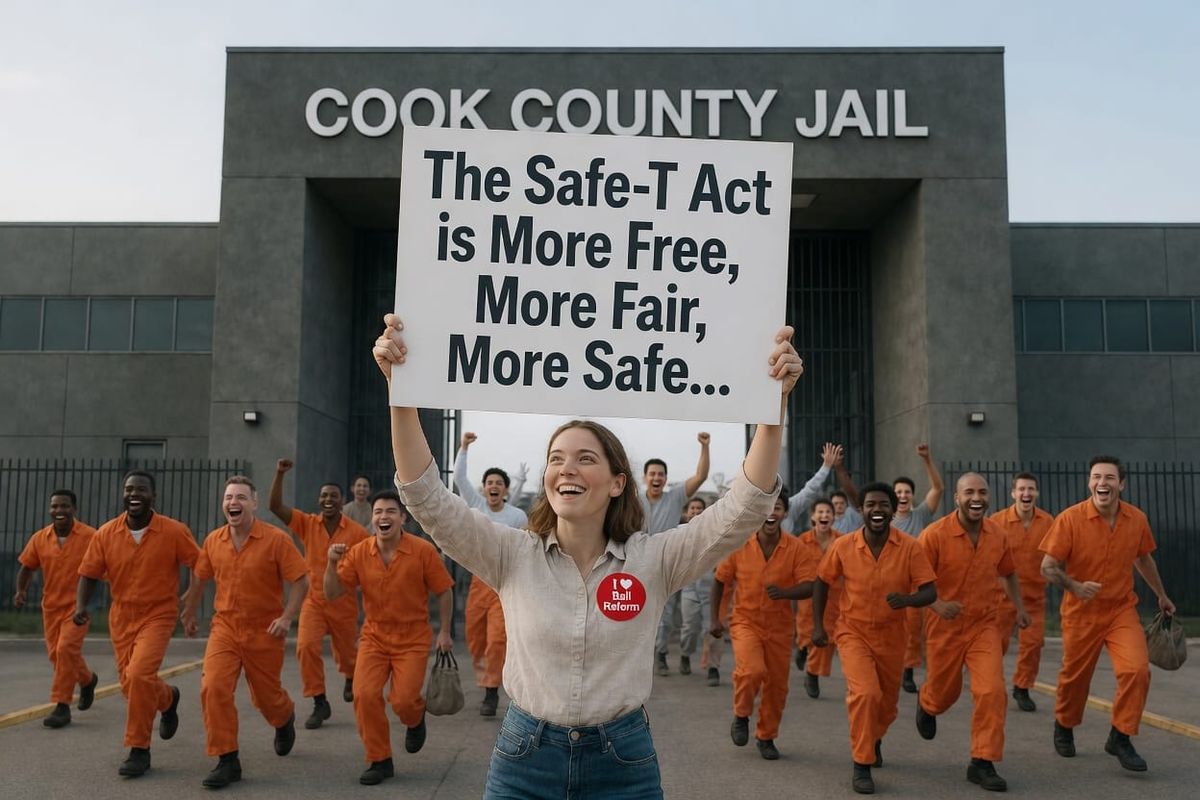
The article posted on advancingpretrial.org on May 13, 2026, “More Free, More Fair, More Safe,” presents a glowing portrait of Illinois’ Pretrial Fairness Act (the pretrial provisions of the SAFE-T Act). It praises the elimination of money bail, the new “evidence-based” detention hearings, public defender advocacy, court reporters, and the supposed triumph of due process over “wealth-based detention.” Public defenders are quoted describing “tears of relief,” greater transparency, and a system that is “more free, more fair, and more safe.”
The reality on Illinois streets tells a far different story. Since the law’s full implementation in September 2023, the removal of meaningful financial accountability has repeatedly allowed dangerous, repeat offenders to be released pretrial — often on nothing more than electronic monitoring or simple promises — only to reoffend violently. The “clear legal standards” and “formal process” described in the article have not prevented preventable tragedies.
Real-World Failures: Dangerous People Released with No Monetary Conditions
Here are just a few documented examples of the kind of offenders the Pretrial Fairness Act has set free:
- Lawrence Reed (November 2025, Chicago): Reed had been arrested more than 70 times and already had a prior arson conviction. In August 2025 he was charged with aggravated battery after allegedly assaulting a social worker at a psychiatric center, knocking her unconscious and causing a concussion and eye injury. Prosecutors requested pretrial detention, but a Cook County judge released him on electronic monitoring under the SAFE-T Act. While on pretrial release, Reed allegedly approached a 26-year-old woman on a CTA Blue Line train and set her on fire with a flaming bottle of gasoline, leaving her critically burned. This horrific attack occurred while Reed was under the very “conditions of release” the Act touts as sufficient.
- Alphanso Talley (April 2026, Chicago): Talley, a repeat violent felon with a history that included armed robbery and other serious charges, was released on electronic monitoring for armed carjacking. Prosecutors objected to his release. While out on pretrial release under the Pretrial Fairness Act, Talley allegedly cut off his monitor, ignored a warrant, and murdered Chicago Police Officer John Bartholomew while the officer was on duty — critically wounding another officer in the same incident.
Nathan Sweeney (April 2024, DeKalb County): Arrested for reckless homicide and DUI after allegedly killing DeKalb County Sheriff’s Deputy Christina Musil in the line of duty, Sweeney was ordered released on pretrial conditions under the new law despite the prosecutor’s request for detention. The Illinois Sheriffs’ Association publicly condemned the release.
These are not low-level, non-violent cases. They involve repeat violent offenders who were released with no monetary bond — precisely the outcome the advancingpretrial.org article celebrates as a success.
The Numbers Undermine the Narrative
Independent reporting and law-enforcement data further contradict the article’s optimistic claims:
- In Chicago, nearly 20% of all felony arrests involve individuals who were already out on pretrial release for other cases — a clear sign of a revolving-door system.
- In Peoria County, failures to appear rose 13% in the first full year under the law, and jail bookings jumped 24% as repeat offenders cycled through the system.
- Statewide, law enforcement and prosecutors have repeatedly warned that the strict eligibility rules for detention hearings, combined with the elimination of cash as a deterrent, have made it harder to hold high-risk defendants.
The Pretrial Fairness Act’s narrower list of detainable offenses, combined with activist judges and overburdened courts, has produced outcomes far different from the “evidence-based” ideal described.
Due Process vs. Public Safety
No one disputes the importance of due process or the presumption of innocence. But when the system systematically errs on the side of releasing dangerous people — often with minimal or no financial skin in the game — the result is not greater fairness. It is greater danger for law-abiding citizens, police officers, and victims.
The “tears of relief” public defenders see when defendants walk free come at a steep cost: the tears of families who lose loved ones to preventable crimes committed by people who should never have been released in the first place.
Illinois’ Pretrial Fairness far too often prioritizes the rights of the accused over the safety of the community. The formal hearings and court reporters praised in the article have not changed the fundamental outcome: too many dangerous offenders are walking free with no meaningful accountability until they commit the next crime.
The data and the tragedies speak for themselves. It is time to acknowledge that the Pretrial Fairness Act, as currently written and implemented, is failing the people of Illinois. Public safety demands meaningful reform — not more rhetoric about how “fair” the process feels to defense attorneys.