Why Financially Secured Bonds Are Superior to Cashless Bail for Pretrial Release

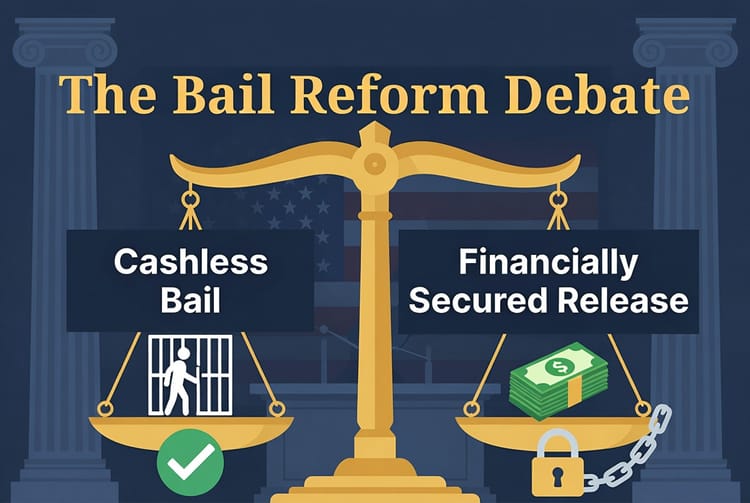
In the American criminal justice system, pretrial release allows defendants to remain free while awaiting trial, balancing individual liberty with public safety and court efficiency. Two common options are release on own recognizance (ROR)—often called a "free bond" or referred to as "cashless bail"—where the defendant is released on their promise to appear, without financial obligation, and financially secured surety bail, where a commercial bail bondsman posts a bond for a non-refundable fee (typically 10% of the bail amount).
While cashless bail practices claim to promote equity by avoiding financial barriers, evidence and practical outcomes suggest that release through a financially secured surety bail is often superior in ensuring court appearances, protecting public safety, and maintaining system accountability. Here's why.
Higher Court Appearance Rates and Lower Fugitive Rates
The primary goal of pretrial release is ensuring defendants return for trial. Surety bail excels here because it creates real financial stakes.
- Bail bondsmen have a direct incentive to monitor defendants and ensure compliance, as they risk forfeiting the full bail amount if the defendant flees.
- Studies show defendants released via surety bonds have significantly lower failure-to-appear (FTA) rates. For instance, a long-term analysis found financially secured bail bonds had an 18% FTA rate, outperforming non-financial releases like ROR.
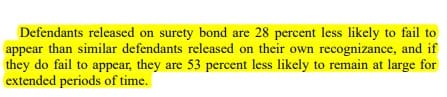
- Another study concluded that surety-released defendants were 28% less likely to fail to appear and 53% less likely to remain fugitives if they did.
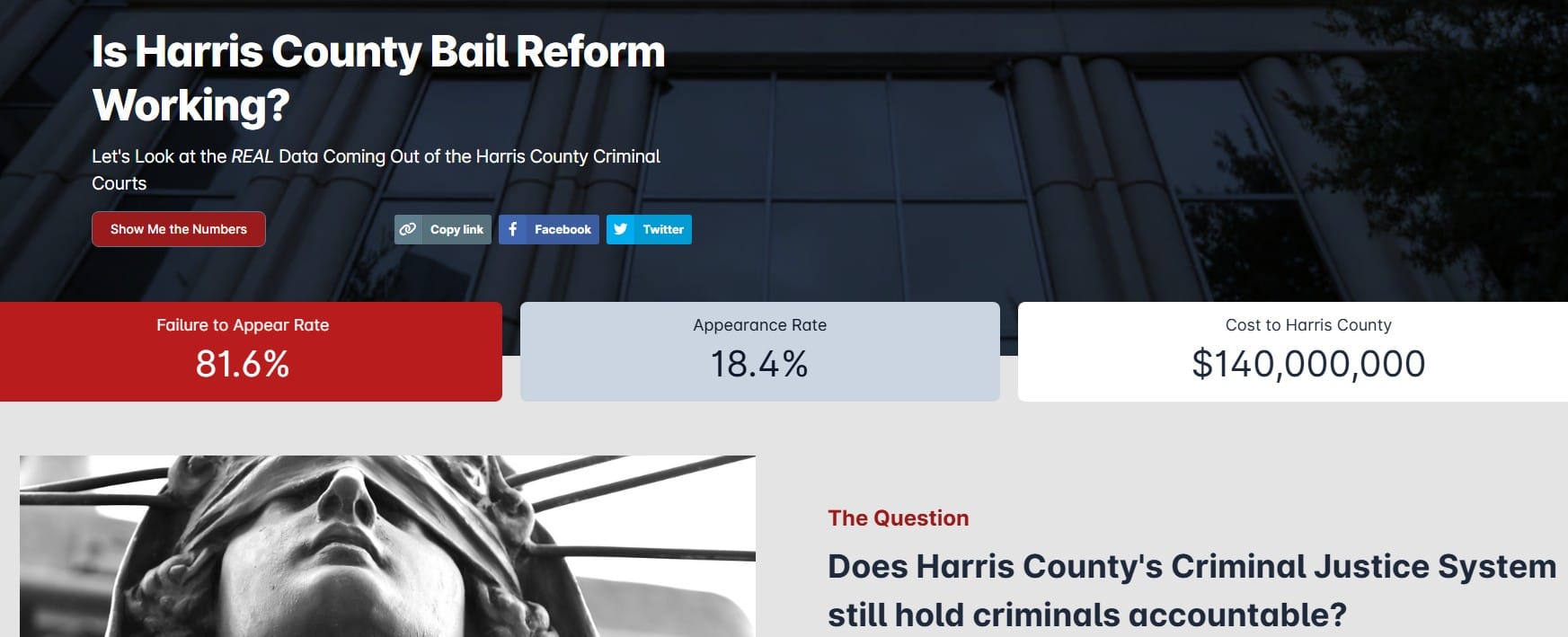
In contrast, cashless bail and ROR releases rely solely on the defendant's promise, which can lead to higher FTAs, especially for those without strong community ties or facing serious charges. High FTA rates burden courts with warrants, delays, and added costs, while fugitives pose ongoing risks. Check out the Harris County Court Watch website to see how these cashless bail and free release policies let to a failure to appear rate of over 80% (www.harriscountycourtwatch.com).
Private Supervision and Accountability at No Taxpayer Cost
Surety bail leverages private industry for oversight:
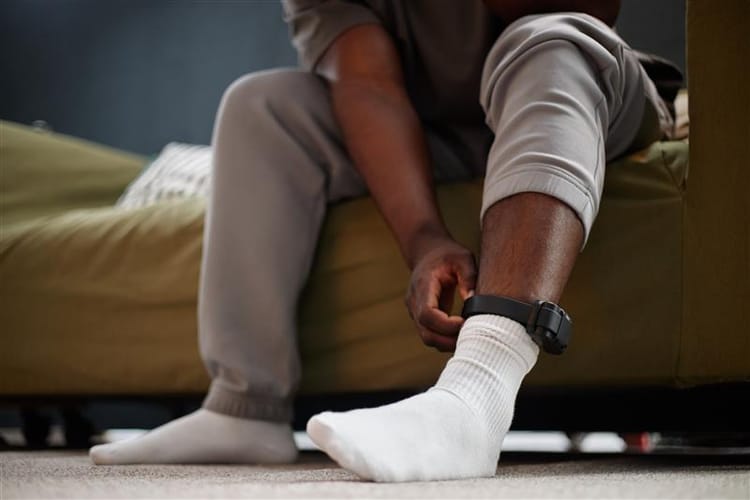
- Bondsmen often require check-ins, reminders, or even tracking, acting as an extra layer of supervision without government expense.
- If a defendant skips court, bondsmen (or bounty hunters) actively locate and return them, recovering most fugitives efficiently.
Cashless bail or unsupervised pretrial programs shift this burden to taxpayers through government-run pretrial services, which may lack resources for intensive monitoring. In places relying heavily on non-financial release (e.g., Philadelphia's past system), massive unpaid forfeitures and high FTA rates resulted in billions in losses and tens of thousands of absconders. Philadelphia's failed pretrial system.
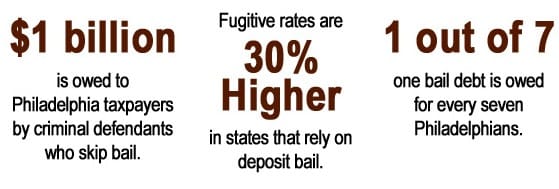
Commercial surety bail operates at zero net cost to the public—premiums fund the system—while delivering better compliance.
Better Risk Assessment in Practice
Judges typically grant cashless bail and ROR releases to low-risk defendants, but bail reform proponents have pushed these policies to expand beyond low level misdemeanors to the common practice of now releasing higher-risk individuals without sufficient safeguards.
Surety bail adds a market-driven filter: Bondsmen assess risk independently and may deny service or require collateral for riskier cases, prompting judges to reconsider detention or conditions. This dual check enhances safety and appearance rates. Check out the study from Eric Helland and Alex Tabarrok showing appearance rates for secured bail vs. cashless bail.
While critics argue money bail disadvantages the poor, surety bonds make release accessible—most pay only 10% upfront—while tying freedom to accountability. So to say that bail bond agents discriminate against poor communities is both dishonest and misleading. Surety bail not only levels the field but does so with accountable oversight.
Deterrence Against New Crimes and Flight
Financial skin in the game deters misconduct. Defendants (and co-signers) know absconding costs real money or collateral, reducing flight and reoffending incentives.
Evidence from reformed jurisdictions shows that eliminating commercial bail can increase crime or FTAs if supervision isn't robustly replaced. Surety bail's track record supports its role in maintaining order pretrial.
Addressing Counterarguments
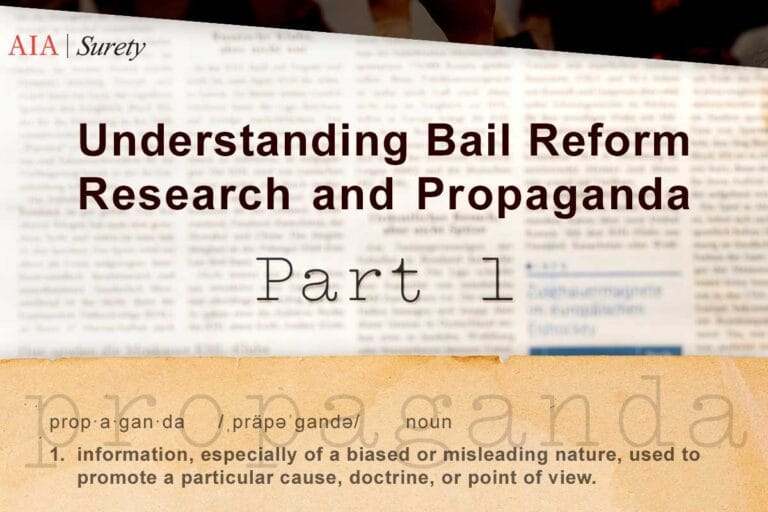
Reform advocates claim cashless bail and ROR with reminders or risk assessments matches surety outcomes without wealth discrimination. But the studies they release as evidence are flawed and unreliable. See the recent 4-part article series Understanding Bail Reform Research and Propaganda.
However, large-scale data favors surety's reliability, especially for moderate- to higher-risk defendants. Surety doesn't prevent release for the indigent—it enables it with built-in enforcement that free release often lacks.
Conclusion: A Proven, Accountable System
Surety bail isn't perfect, but it outperforms pure "cashless bail" and "free bond" ROR in ensuring defendants appear, fugitives are apprehended, and the system runs efficiently—all without taxing the public. It respects presumption of innocence while protecting society through private accountability.
As debates over bail reform continue, preserving commercial surety bail offers a balanced, evidence-backed approach that prioritizes results over ideology. For a justice system that works for victims, courts, and defendants alike, surety bail remains the stronger choice.



Member discussion