The Proliferation of Bail Bond Scams: Impostors Posing as Agents Prey on Families in Distress
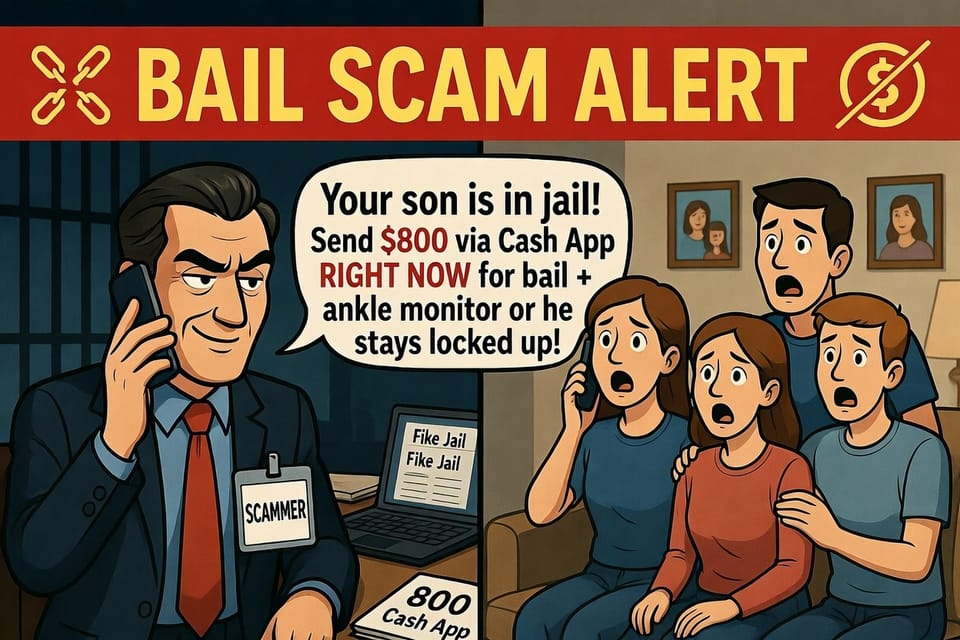
A phone rings. The caller claims your son, daughter, or grandchild has just been arrested and is sitting in jail. They identify themselves as a licensed bail bondsman or even a deputy or pretrial specialist. For a few hundred dollars—paid right now via Cash App, Zelle, gift cards, or even Bitcoin—they promise immediate release, sometimes throwing in an “electronic monitor” or GPS ankle bracelet fee to sweeten the deal. Panic sets in, money is sent, and the loved one if even in jail in the first place remains behind bars while the scammers vanish.
This is not a hypothetical nightmare. It is a rapidly spreading scam that law enforcement and insurance regulators across the United States have been sounding the alarm about since late 2025. Scammers are exploiting public arrest records, jail messaging systems, and AI tools to sound credible, targeting families at their most vulnerable moment.
How the Scam Typically Unfolds
Fraudsters often begin with unsolicited calls or messages from unfamiliar numbers. They claim a relative has been arrested and needs cash immediately for bail or to cover “GPS monitoring” or ankle-bracelet fees so the person can be released on electronic monitoring. Payments are demanded through untraceable methods: Cash App, Zelle, Venmo, gift cards, wire transfers, or even in-person cash drops at Walmart or Bitcoin machines.
In some cases, scammers spoof official-looking caller IDs or even use jail-approved messaging systems to contact inmates directly and then reach out to their families. They may reference real details about the arrest to build trust. Once the money is sent—sometimes hundreds or thousands of dollars—they block contact and disappear.
Electronic monitoring is a favorite hook. Scammers insist an upfront payment is required for an ankle bracelet that will allow immediate release. In reality, judges order electronic monitoring through official pretrial services departments; families never pay random callers for it.
Recent Cases Highlight the Growing Problem
The warnings have come fast and furious in recent months:
- In Oklahoma, the Insurance Department issued a statewide consumer alert on March 18, 2026. Officials noted scammers posing as bail bond agents demanding money for bail or GPS monitoring, using the classic pressure tactics of unfamiliar numbers, urgent demands, and shady payment apps. Insurance Commissioner Glen Mulready urged people to “fact-check these calls” and never send money to strangers.
- Broward County, Florida (December 2025): The Sheriff’s Office and local bail agents warned of impostors posing as deputies or pretrial specialists. One example shared by a veteran bail bonds agent: a caller tells a parent their daughter had a DUI and can be kept out of jail for $1,000 sent via Zelle or Walmart. Families, terrified, comply.
- Jefferson County, Alabama (reported January 2026): A woman arrested on drug charges in March 2025 received a message through the jail’s system from someone claiming to be a bondsman. Her family sent $600 for bail and another $200 for a supposed ankle monitor. The “bondsman” never showed; the family ultimately lost about $2,000 after pawning valuables to hire a legitimate agent.
Similar alerts have poured in from Louisiana, Texas, Washington, North Carolina, Ohio and California. Bail bond companies themselves are publicly distancing themselves from cold calls and unsolicited texts, telling families that legitimate agents do not operate this way.
Experts say the scam is proliferating because arrest information is often public, payment apps make transfers instantaneous and hard to reverse, and emotional urgency overrides caution.
How to Protect Yourself and Your Family
Here is a practical checklist compiled from warnings issued by state insurance departments, sheriffs’ offices, and bail industry groups:
- Hang up and verify independently. If anyone calls or messages demanding immediate payment for bail or monitoring, end the conversation. Use the official jail phone number (found on the county sheriff’s or jail website, not provided by the caller) to confirm whether your loved one is actually in custody.
- Never pay via gift cards, Cash App, Zelle, Venmo, crypto, or wire transfers. Legitimate bail bondsmen accept credit cards, cash, or checks at their office or the jail—not random electronic payments from strangers.
- Real bail agents and law enforcement do not cold-call families. They do not reach out unsolicited, and they will never pressure you to send money over the phone to “secure release right now.”
- Ask for and check credentials. Request the bondsman’s full name and state license number. Verify it through your state’s insurance department or the official bail bondsmen association website before handing over any money.
- Electronic monitoring is never paid to a stranger. Ankle bracelets or GPS devices are arranged exclusively through court-ordered pretrial services after a judge approves them. No legitimate agent or official will demand payment over the phone for one.
- Meet in person or use official channels. If a bond is needed, go to the jail or a licensed bail bond office in person. Ask to see identification and a badge or license.
- Warn vulnerable family members. Elderly relatives and caregivers are frequent targets. Share this information proactively and agree on a family “verification code” or protocol for emergencies.
- Report it immediately. If you suspect a scam or have been victimized, contact local law enforcement and your state insurance department (many have online complaint forms). The faster authorities know, the better chance of tracking the fraudsters.
Stay Vigilant—Scammers Count on Panic
Bail bond scams thrive because they strike when families are frightened and desperate to help someone they love. By slowing down, verifying facts through official sources, and refusing untraceable payments, you can keep your money safe and out of the hands of criminals.
If you or someone you know has been targeted, remember, legitimate help is always available through your local jail, licensed bail agents, or pretrial services. The scammers want you to act first and think later. Don’t give them that chance.



Member discussion