North Carolina Bail Agent's Association Educates the Public on How to Avoid Bail Scams
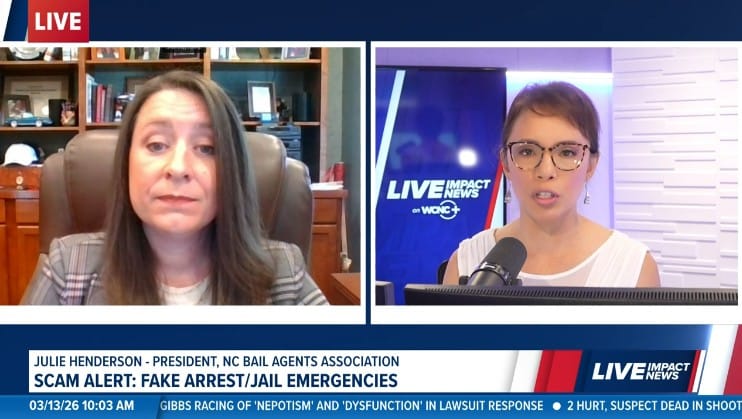
Bail bond scams have been running rampant around the country over the past several months. Scammers prey on the public by calling and demanding money to bail out a loved one. North Carolina Bail Agent's Association President, Julie Henderson went on WCNC to educate the public about these scams and how to identify them and avoid them. Below is a summary of the interview as well as a link.
WATCH THE VIDEO INTERVIEW HERE>>>
The WCNC video segment, titled "Scam alert: Fake arrest calls target North Carolina residents," warns viewers about a prevalent phone scam where fraudsters impersonate law enforcement officers, such as police or U.S. Marshals, to threaten victims with immediate arrest. These scammers often claim the victim (or sometimes a loved one) has an outstanding warrant, missed jury duty, or faces other legal issues, using tactics like caller ID spoofing to make the call appear legitimate and sometimes sending fake documents like arrest warrants featuring real names of judges or officials.
In the report, Ms. Henderson highlights how scammers pressure people into making urgent payments to "resolve" the issue and avoid jail, typically demanding money through untraceable methods like gift cards, prepaid cards, wire transfers, cryptocurrency (e.g., Bitcoin ATMs), Zelle, PayPal, or Venmo. This type of impersonation scam, including variations tied to fake bail demands or jury duty violations, has been increasingly reported across North Carolina, with warnings from sources like the FBI, U.S. Marshals Service, and local police departments emphasizing that real law enforcement never demands payment over the phone to cancel a warrant or fine.
Viewers are advised to hang up immediately if they receive such calls, never share personal or financial information, and verify any claims directly by contacting the official agency using a known number (not the one provided by the caller). The segment serves as a consumer alert to help residents recognize and avoid falling victim to these high-pressure, fear-based tactics.



Member discussion